
Pudding Wood, Surrey
Transforming 155 hectares of low-grade agricultural land in southern England to new woodland and biodiverse habitats designed to sequester carbon dioxide and increase biodiversity over the long term.
Autumn 2026 - Community update
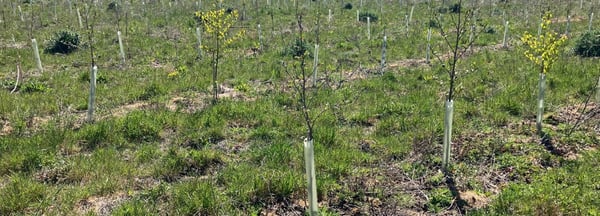
After a hot, dry summer, we’re glad to see cooler, wetter weather return. This autumn, our first priority is to check how the trees coped with the heat, which made it harder for some of the young trees to take root.
As we prepare for the next planting season, we’ll focus on:
- replacing any trees that didn’t survive the summer
- planting more woodland in some fields
- creating new habitats, such as grassland, across other parts of the site
Grassland works will begin in October, involving vegetation removal and seed-bed preparation through spraying, harrowing and ploughing.
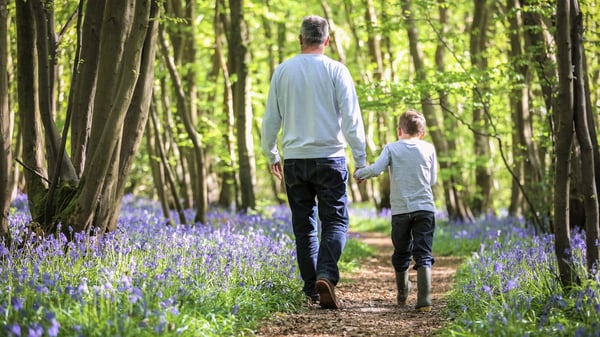
We’re also exploring plans for a community woodland and orchard for local people and wildlife to enjoy.
As these plans take shape, we’ll keep listening to feedback and sharing updates. We expect this next phase of work to begin before the end of the year.
About the project
The State of Nature report finds that the UK is now one of the most nature depleted-countries on Earth. Our people and communities are feeling the effects of that environmental damage. They include everything from flooding to pollution.
That's a big challenge for us as a society. But it's also an opportunity to make a difference for our generation and others to come.
So we're drawing on our expertise developing real assets, like affordable housing. And we're building on it by developing long-term nature-based solutions. They can help us tackle the twin challenges of climate change and nature loss.
Our Pudding Wood project is a great example of that. Through our commitment to it, we want to show that we can both:
Our plan for biodiversity
We aim to achieve the Local Nature Recovery Strategy's goals by:
Existing habitats
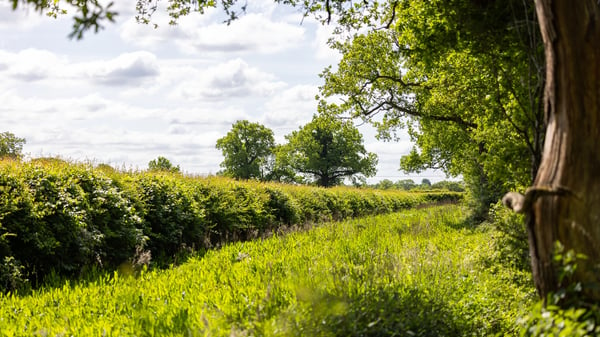
The Site supports priority habitats, including:
Future habitats
New habitats we will create include:
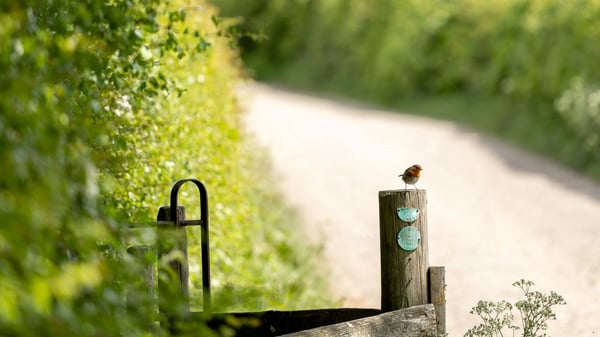
Supporting priority species
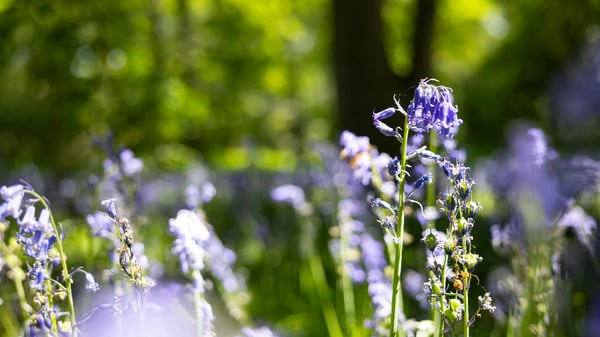
Local priority species we're supporting include:
Woodland creation
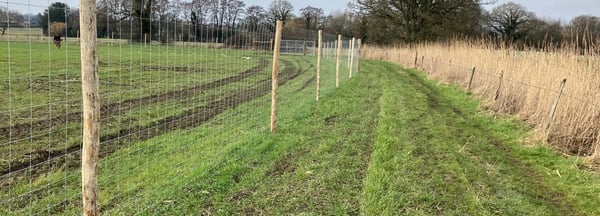
The team installed a deer-fenced enclosure before they started planting trees.
The enclosure protected the young trees from browsing roe, fallow and muntjac deer. This helped the trees establish and meant we didn’t need larger individual tree guards.
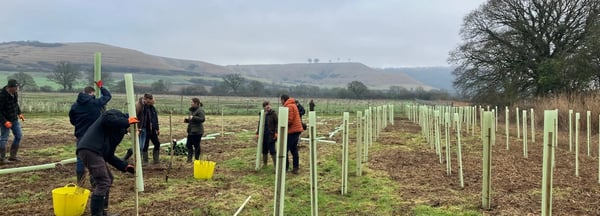
We planted mixed native trees in individual tubes.
In the first planting season, volunteers helped us plant 100,000 trees. Each sapling was around 30 centimetres tall at the time of planting. We planted them with small spades before firming them in. This meant we didn’t unnecessarily damage the local environment.
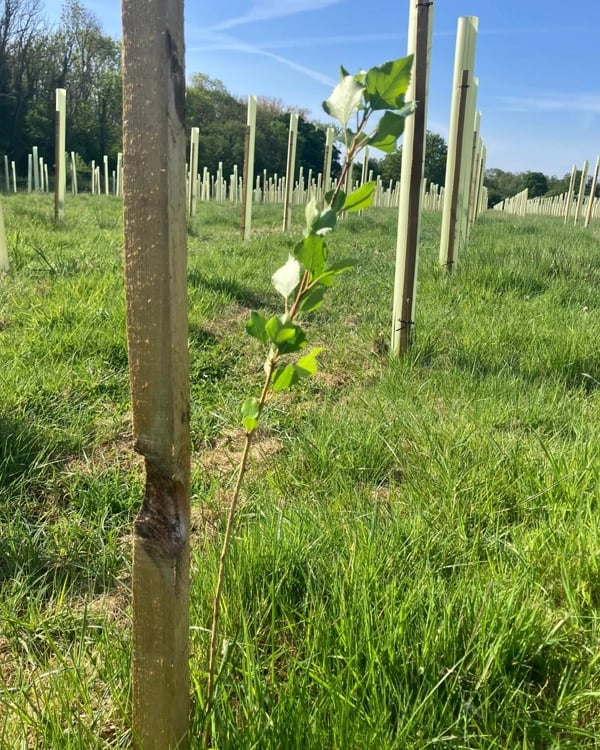
We completed a successful planting season, establishing Native Black Poplars. They’re one of the UK's rarest tree species, making them a conservation priority.
The focus of the project then turned to summer activities, like mowing. We also began to get ready for our second winter of planting.
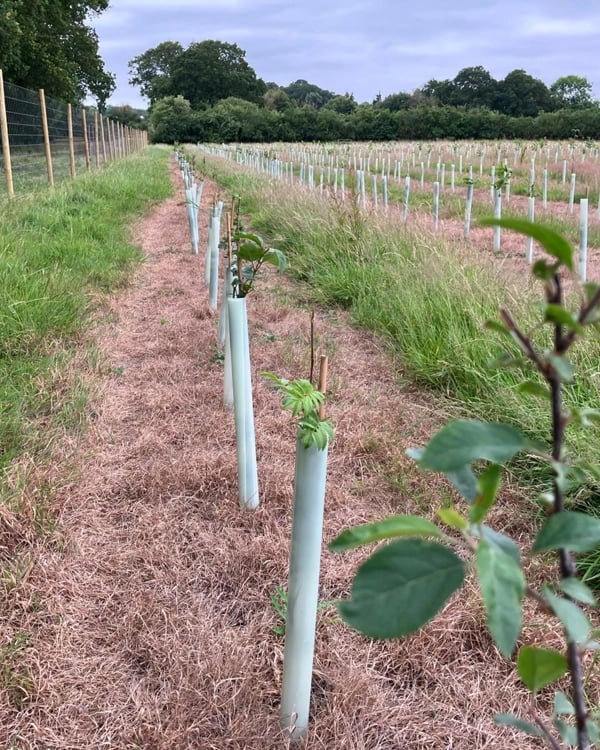
This summer, our mixed native woodland will fully establish itself inside the deer fences. We’ll start creating our plans for the for the community areas of the site.
From the autumn, our preparation for the second winter of planting will be in full flow.
We’ll start preparing the ground for 40,000 more trees. They’ll help create a community woodland and orchard for local residents.
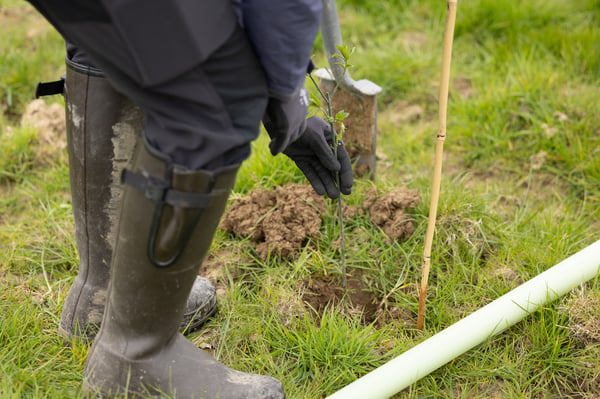
We’ll plant the next 40,000 saplings whilst the ground is wet. This will give the young saplings the best chance of survival.
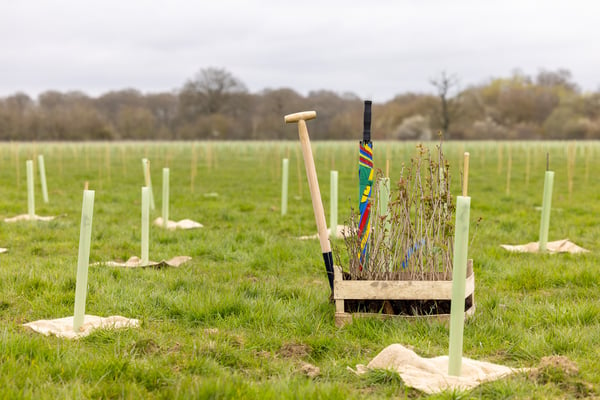
By spring, we’ll have finished planting and our main programme of woodland development work will have finished. Our focus will then turn to the site's ongoing land management.
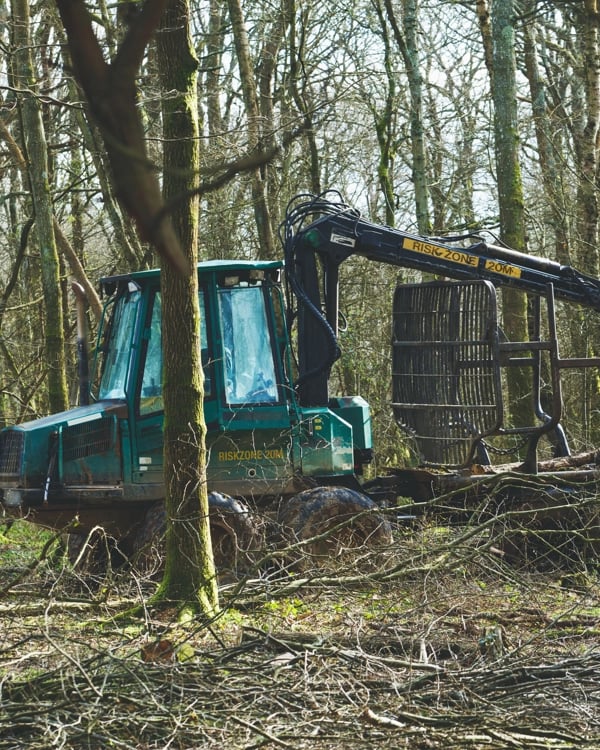
Going forward we will use low-impact machinery to coppice the 20-year-old native woodland.
This will create glades and coppices, which will benefit wildlife and help introduce different kinds of space within the woodland. Dormice, bats and butterflies will enjoy those spaces and general new growth in the woodland.
Local community benefit
The idea? Woodland or orchard space for community access and benefit.
Potential outcomes:
Contact us
If you have any questions or would like to learn more about the project, please get in touch