
April 2026, Community update
Phase 1 completeApril sees the successful completion of Phase 1 of our works.
This winter season we have:
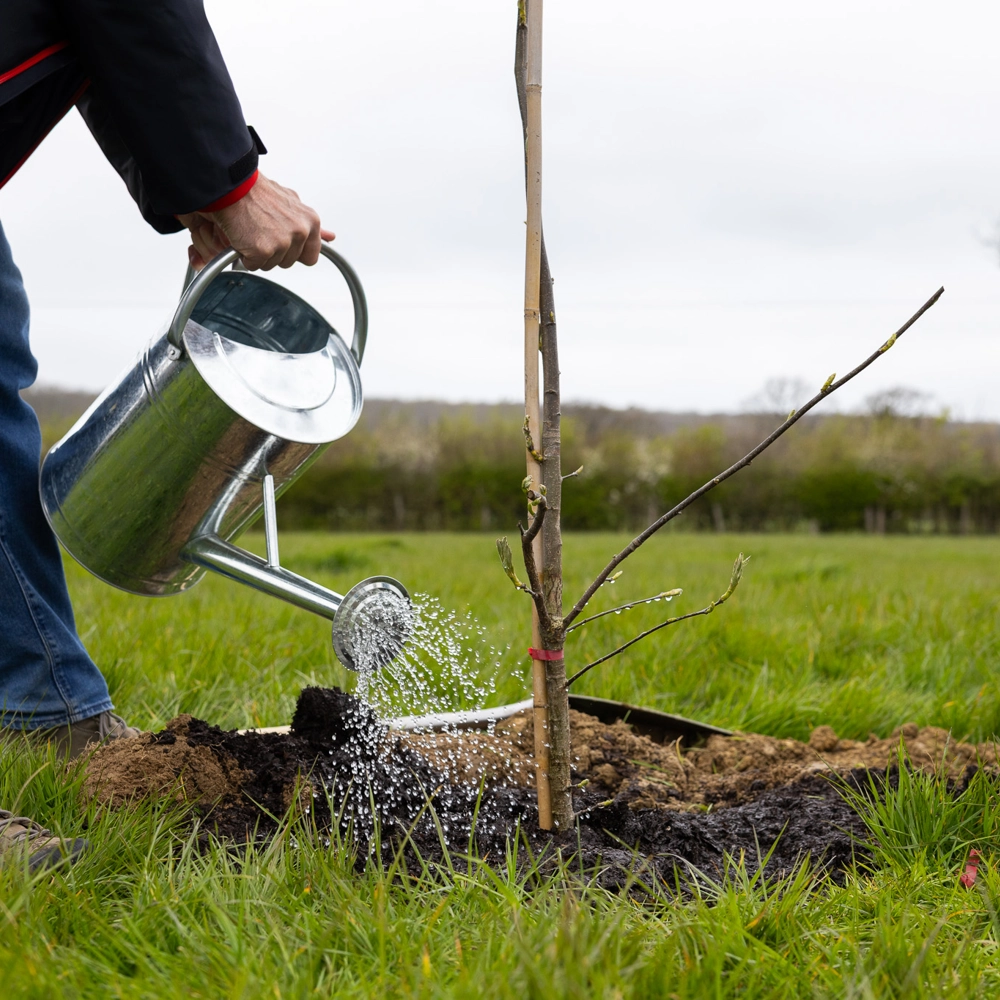
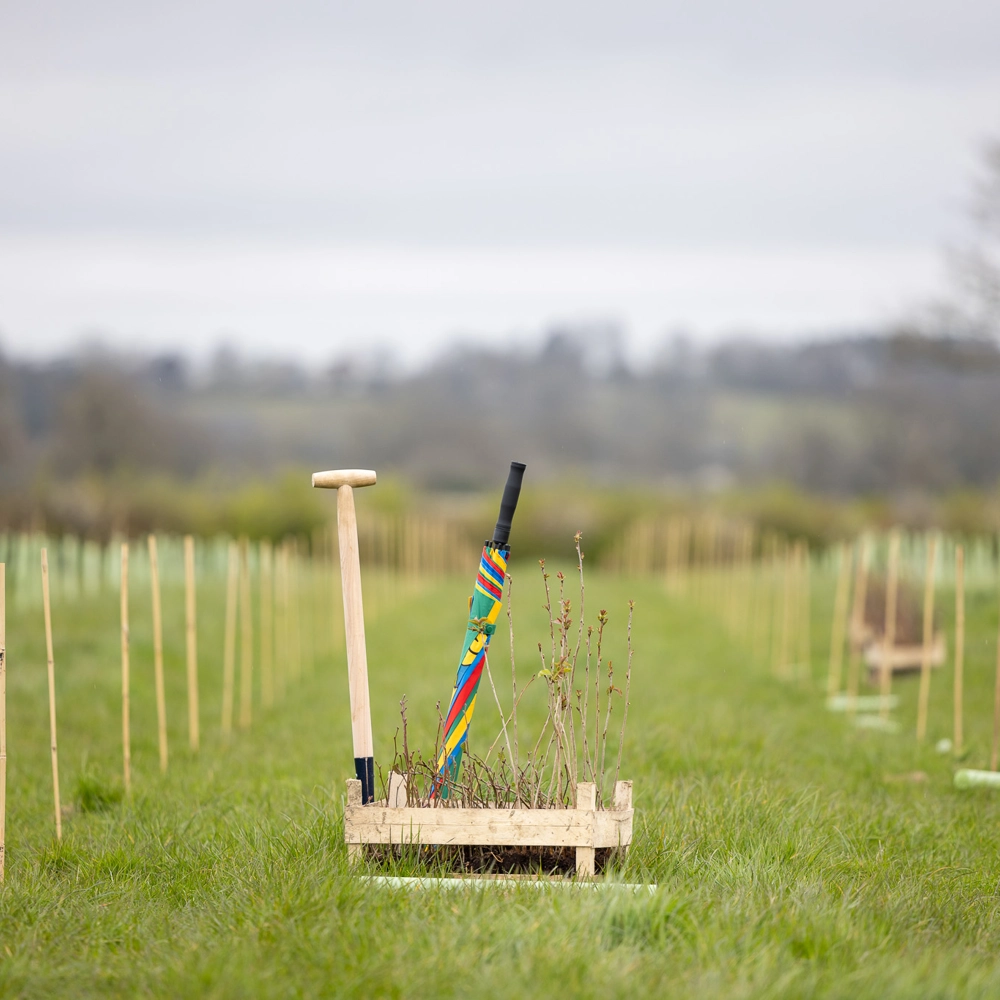
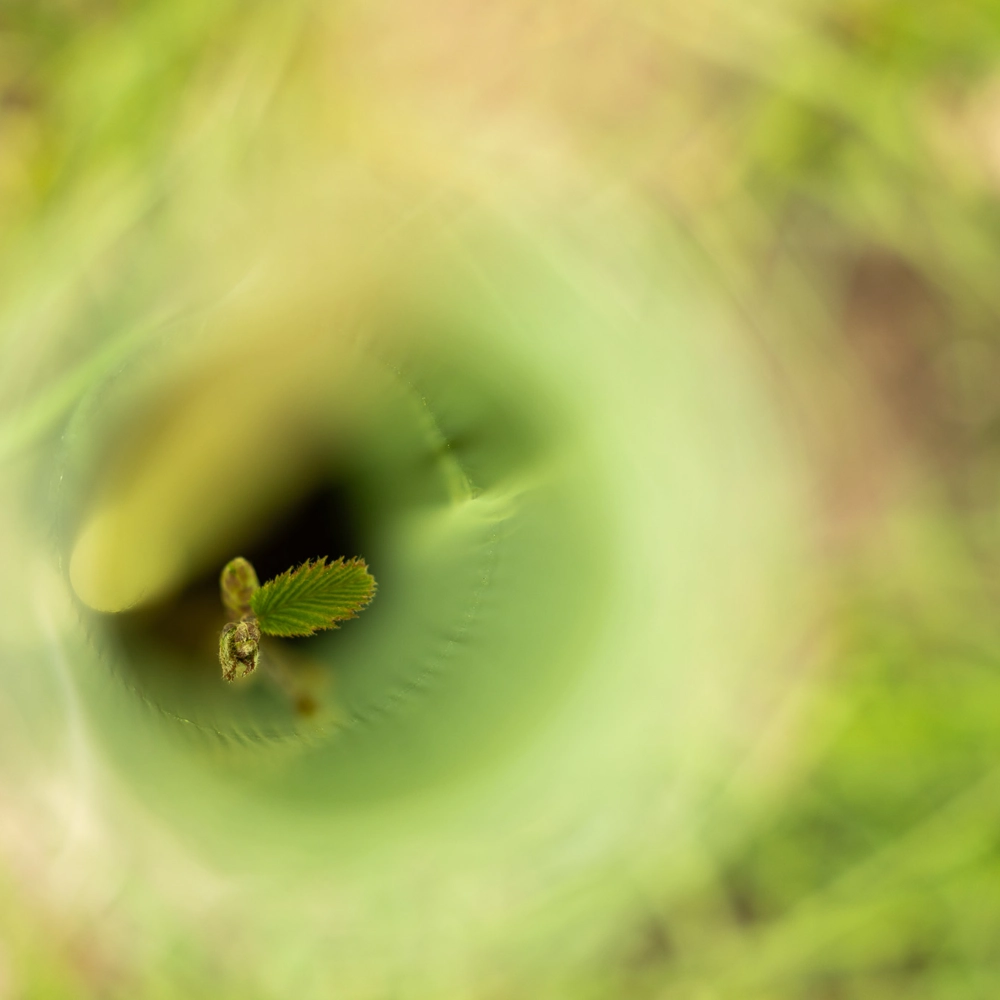
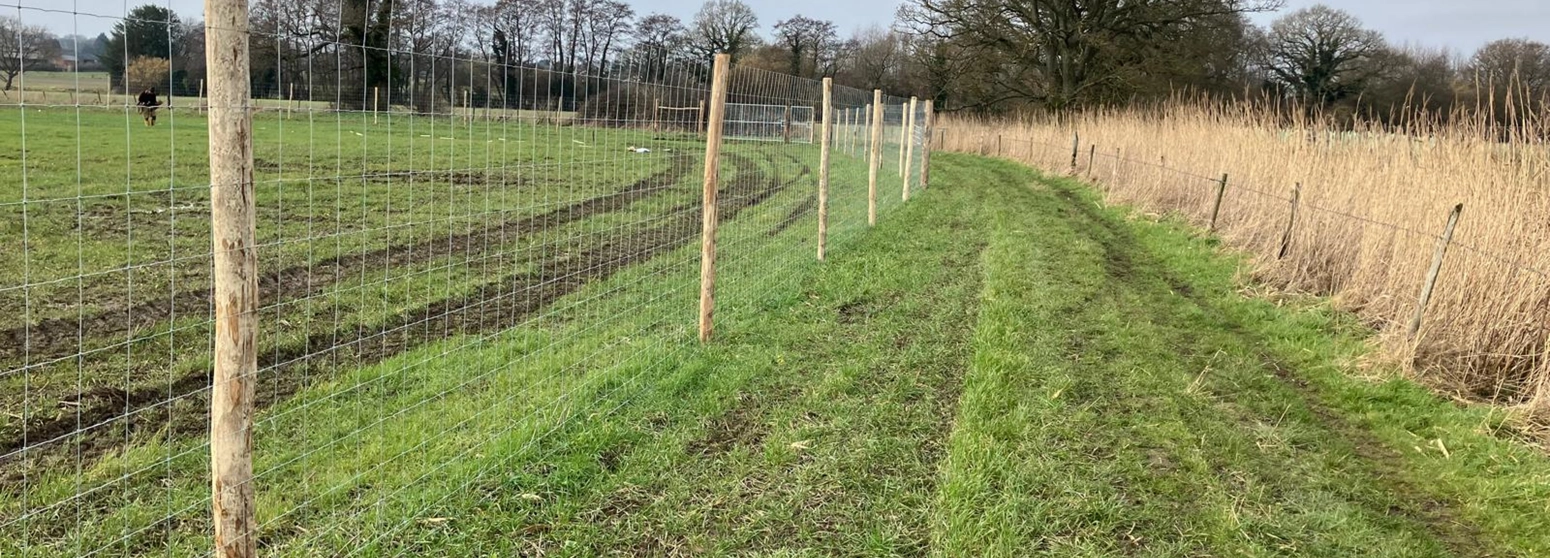
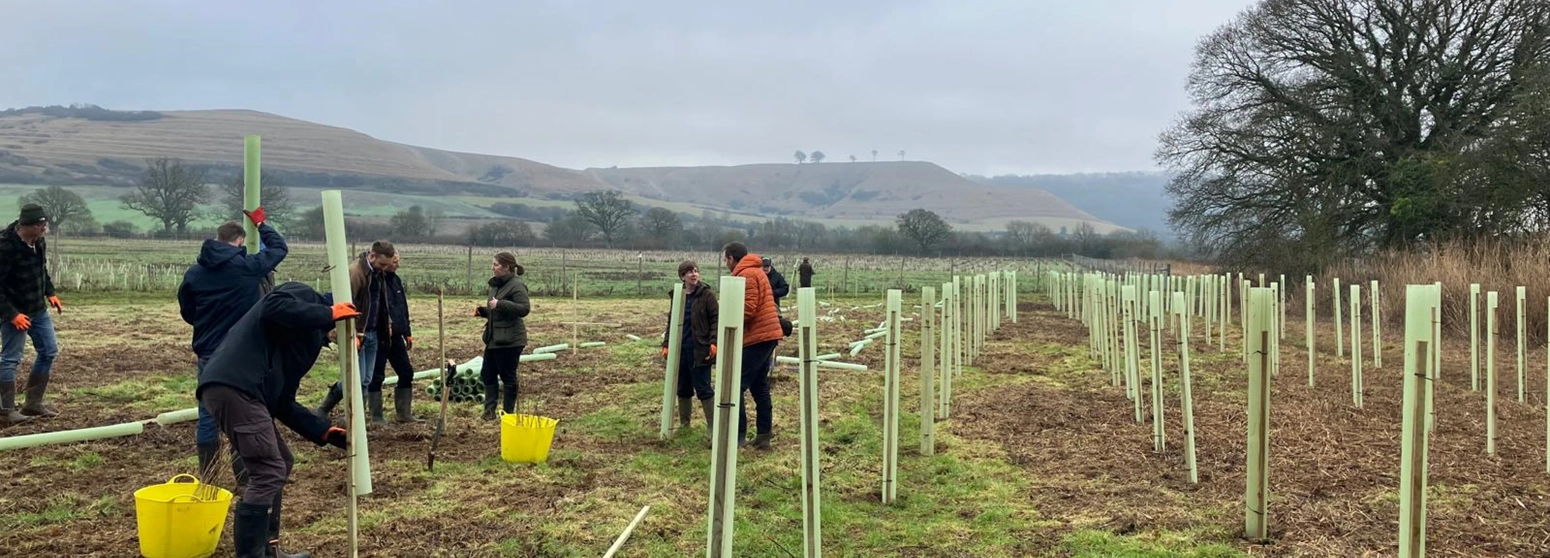
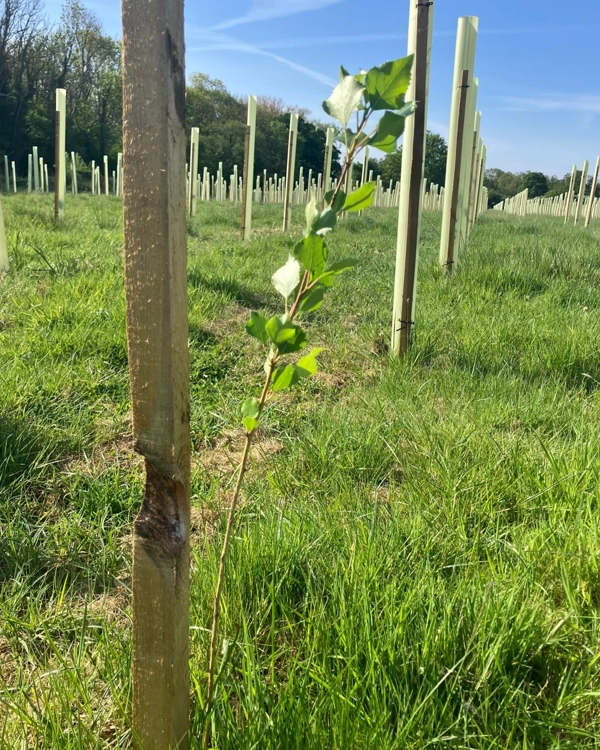
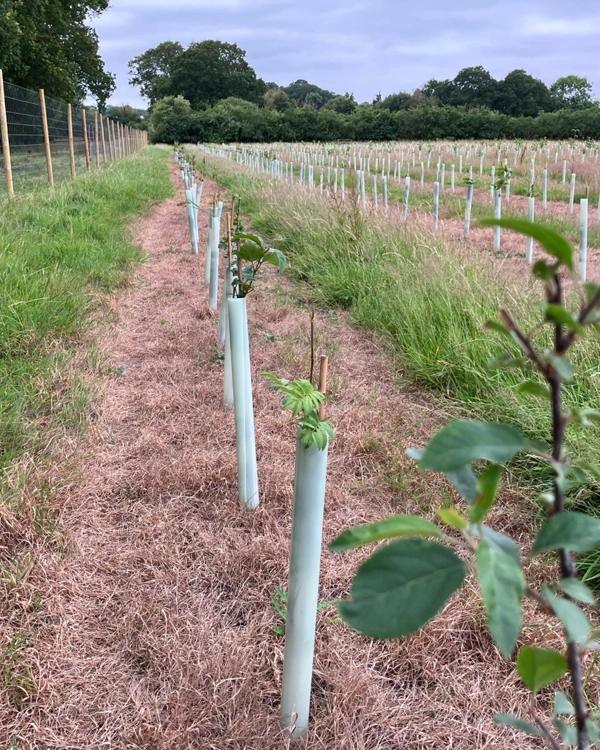
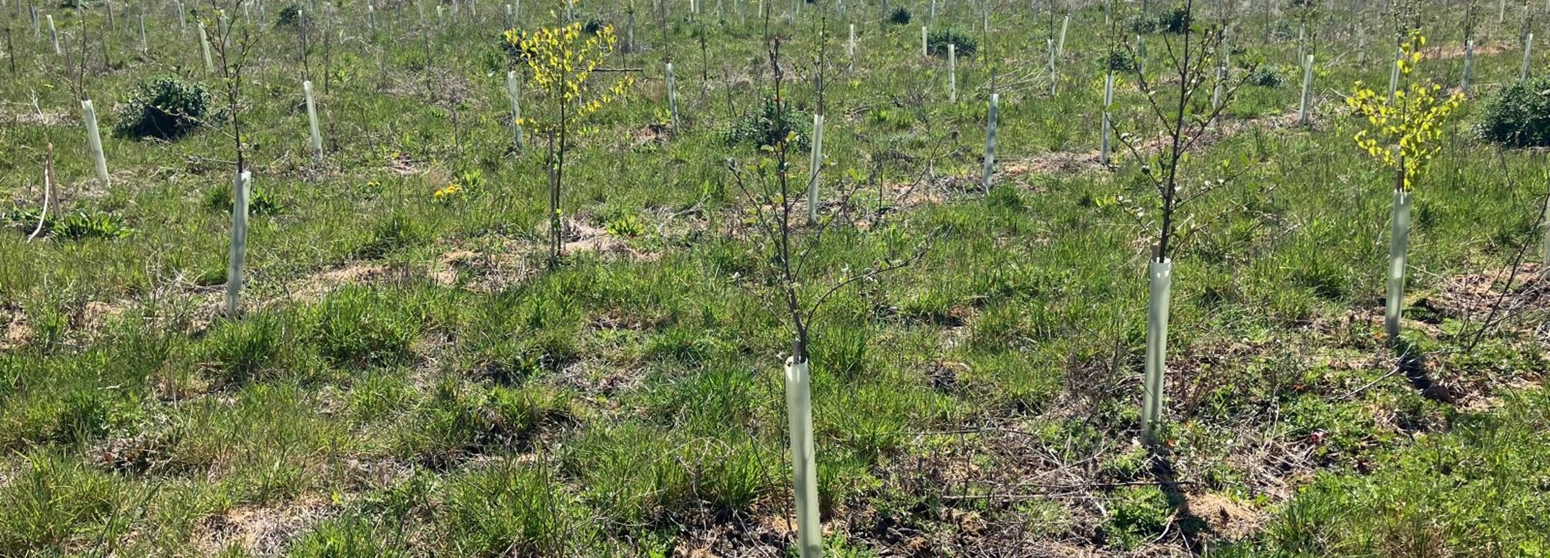
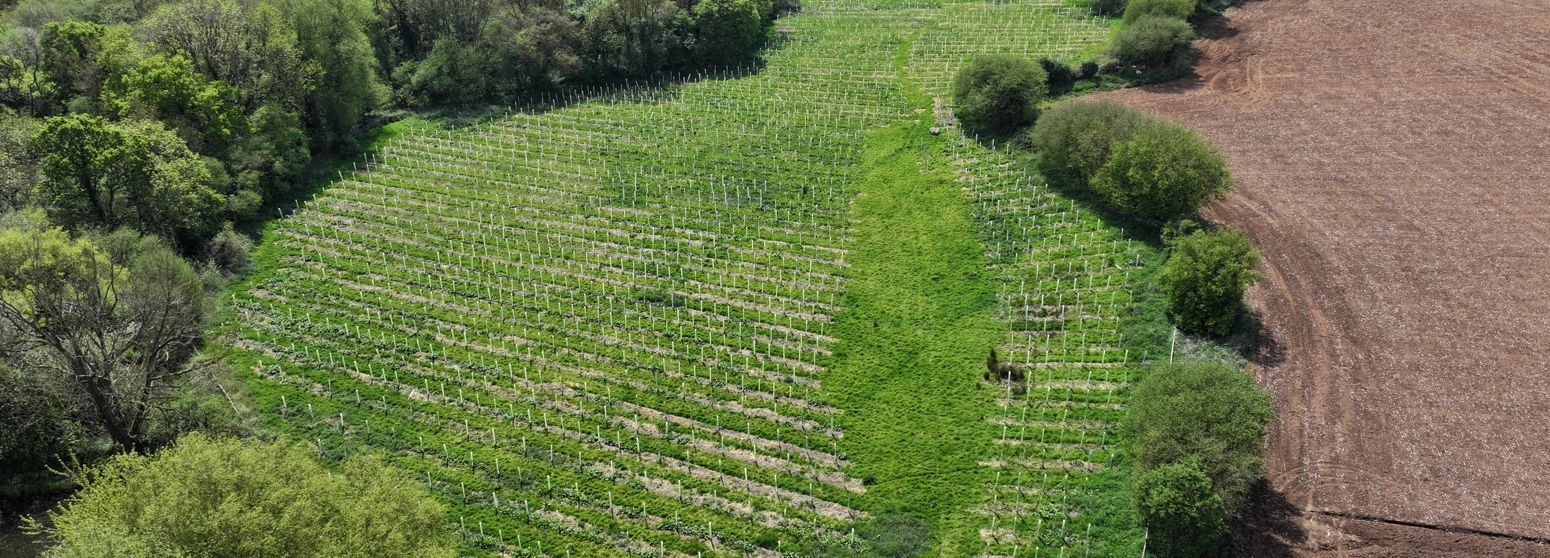
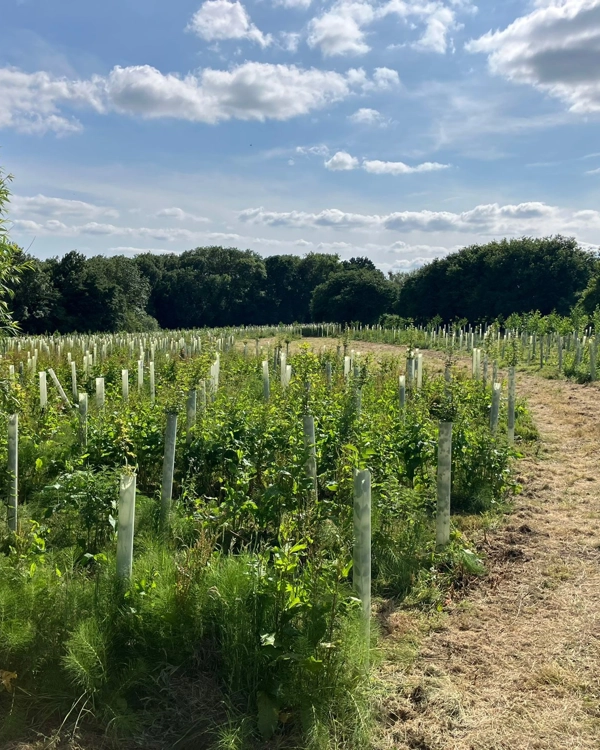
- Planted 100,000 trees across the site;
- Created 2.65 kilometres of new hedgerow; and,
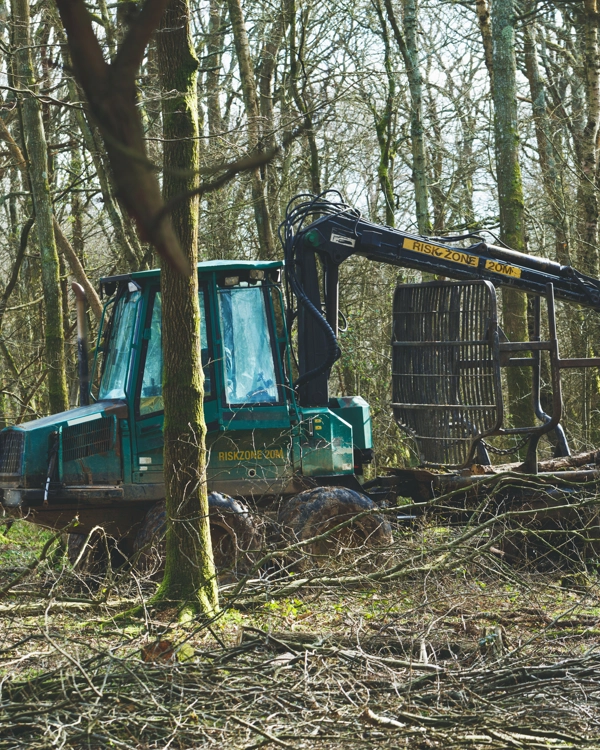
- Undertaken works to existing woodlands to improve their biodiversity value.
Ground Control, our contractor, will be leaving the site in early May.
Join us for a guided walkTo share with the local community the progress we have made so far, we are proposing to hold two guided walks on:
Date: Sunday, 10 May 2026
Time: 10.00am and 2.00pm
If you are interested in attending, please email: natureinvestments@landg.com
Getting ready for Phase 2In April, we will be turning our attention to our Phase 2 works. These will start in August this year and will cover additional tree planting and habitat creation.
Designing a new community woodlandAs part of Phase 2, we are proposing the development of a community woodland. To help shape its design, we will be holding an event at Providence Chapel, Charlwood to discuss the proposals with local residents.
Date: Thursday, 14 May 2026
Time: 12.00pm to 8.00pm
The L&G design team will be available throughout the day - please join us to help shape the design of this new community space.
The area for this woodland is shown in the map below:
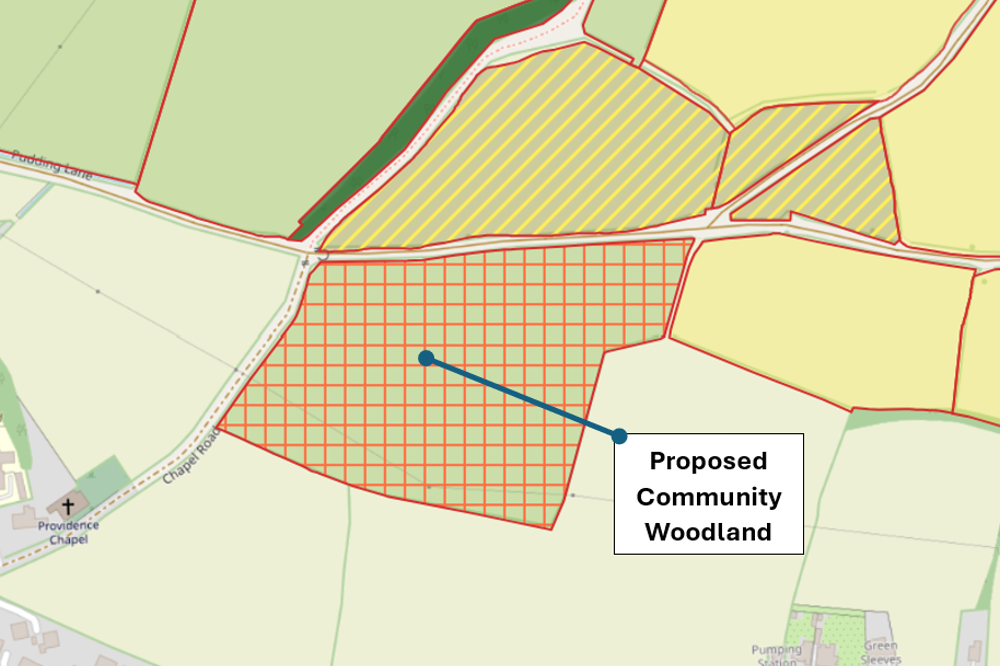
Proposed community woodland
About the project
The UK is now one of the most nature depleted countries on Earth1, and the impacts are increasingly being felt – from flooding to air and water pollution.
To combat the risks arising from climate change and nature loss, new opportunities are emerging around nature-based solutions.
L&G has expertise in developing real assets such as affordable housing. We are now building on this expertise by developing nature-based solutions.
Our aim is to demonstrate through Pudding Wood that we can invest in the development of high-quality biodiversity and carbon credits, while also delivering positive outcomes for local communities.
Our plan for biodiversity
We aim to protect and enhance existing habitats and species of importance and add to these through habitat creation aimed at benefitting a range of key species, which will make a significant contribution to the objectives of the Local Nature Recovery Strategy.
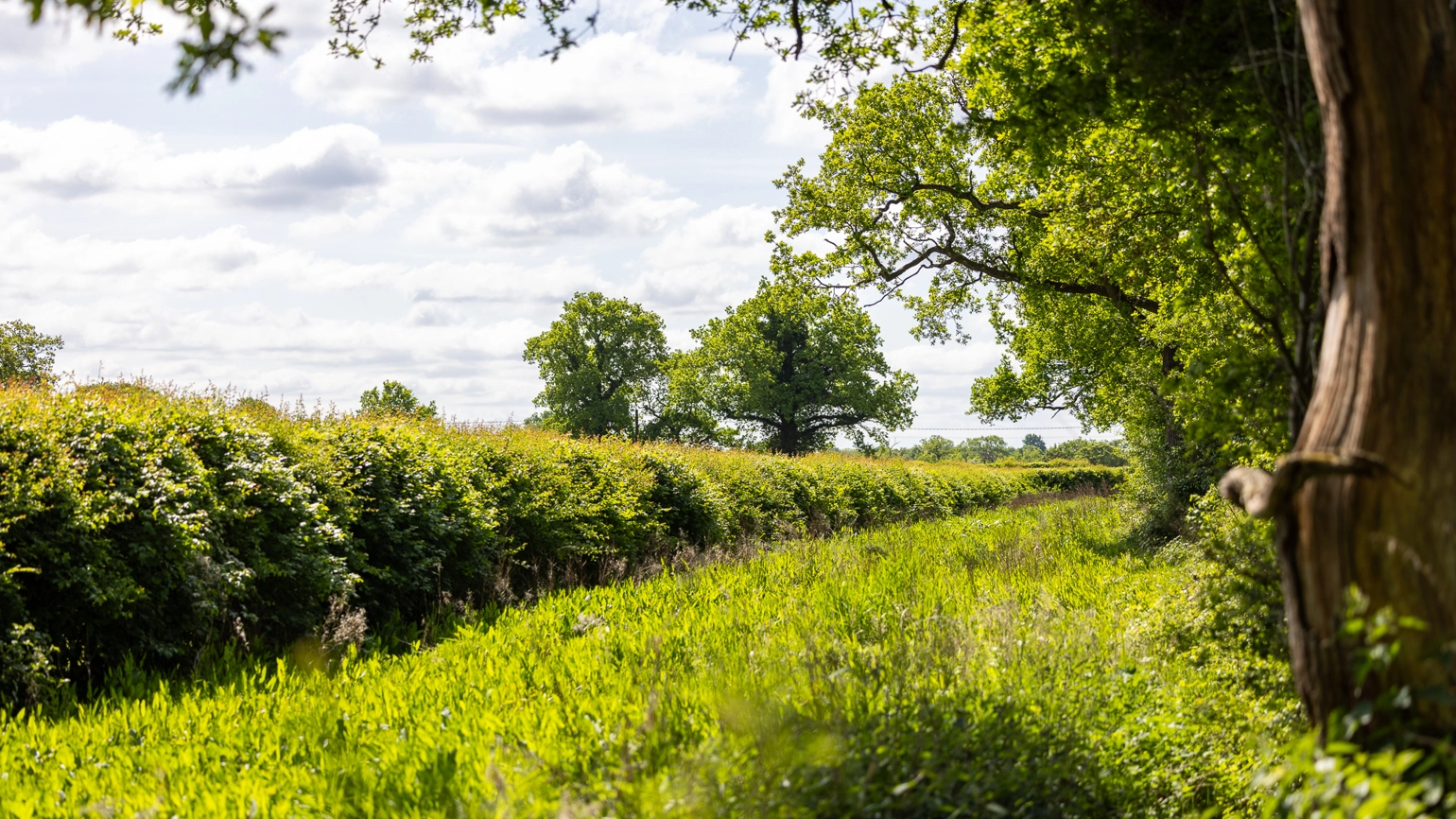
Existing habitats
The Site supports priority habitats, including:
- Irreplaceable ancient mixed deciduous woodland
- Native mixed hedgerows
- Streams and watercourses
- Ponds
- Veteran trees
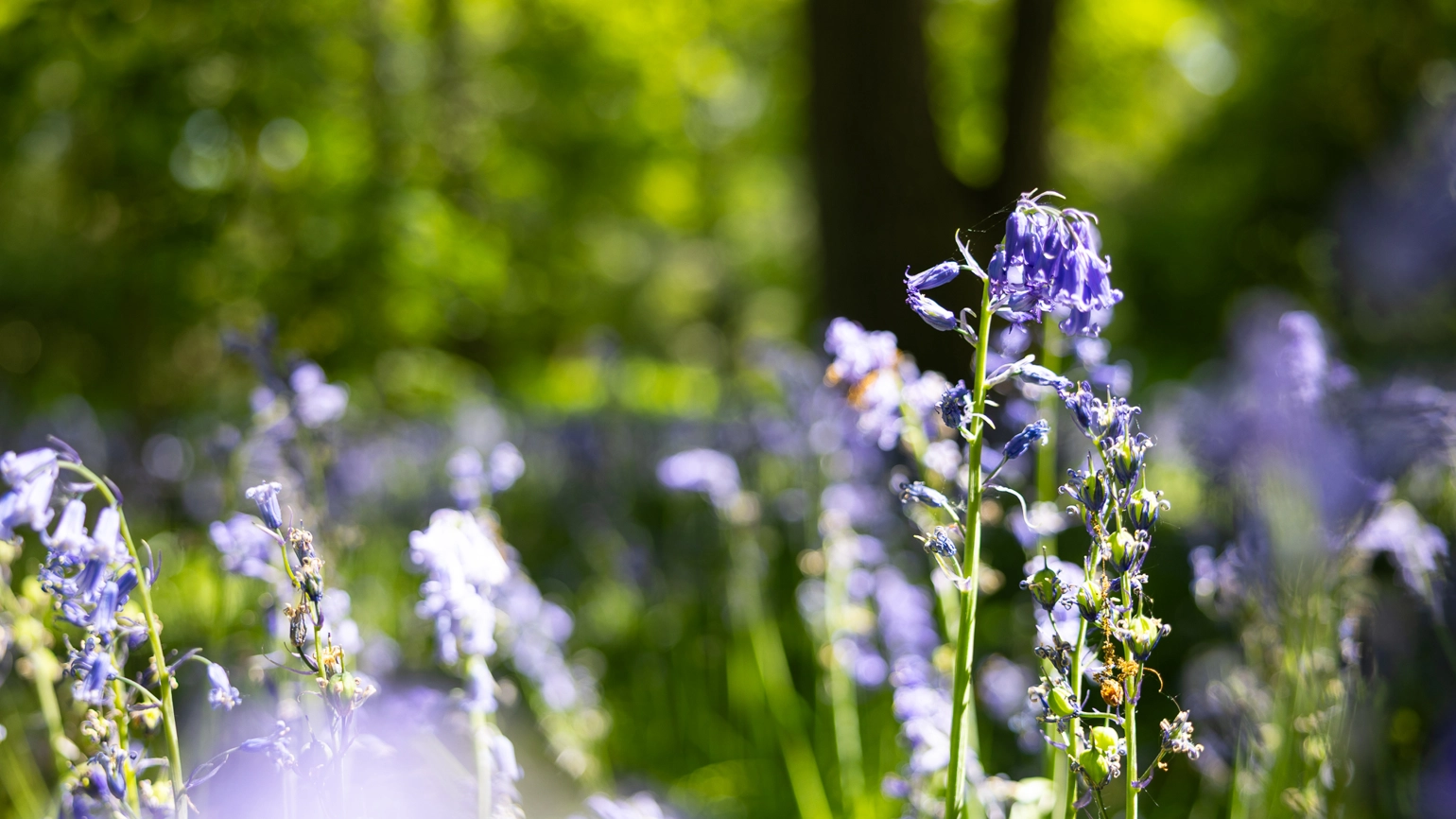
Future habitats and species
New habitats we will create include:
- Deciduous broadleaved woodland for carbon capture and wildlife
- Traditional wildflower meadow
- Traditional orchard
- Species-rich native hedgerow
- Field ponds
- Wet grassland and ferns
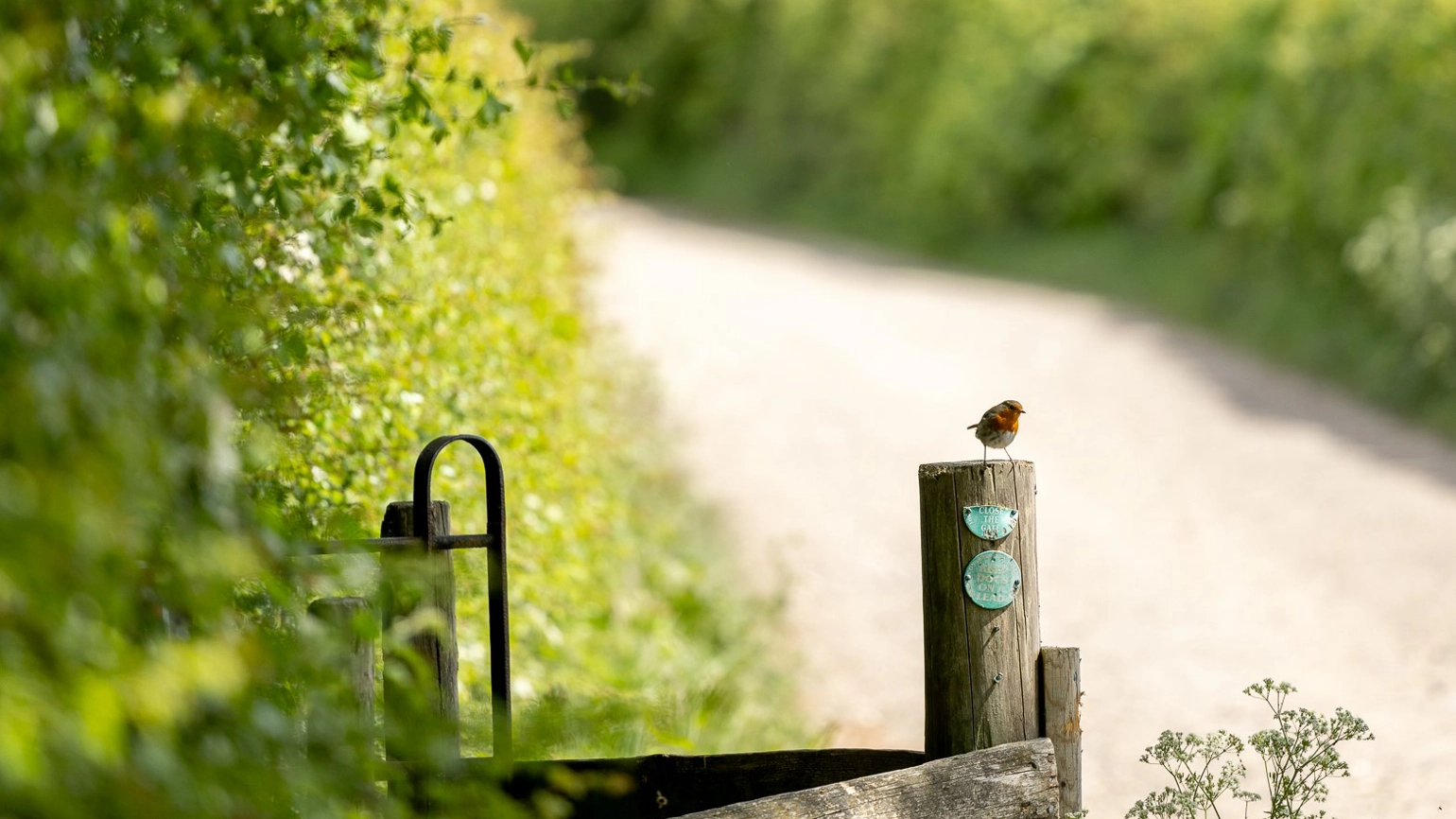
We are aiming to support local priority species, including:
- Nightingale, Turtle Dove and Marsh Tit
- White Admiral Butterfly
- Great Crested Newt
- Water Vole, Hazel Dormouse and Bats
Woodland creation
Local community benefit
The idea? Woodland or orchard space for community access and benefit.
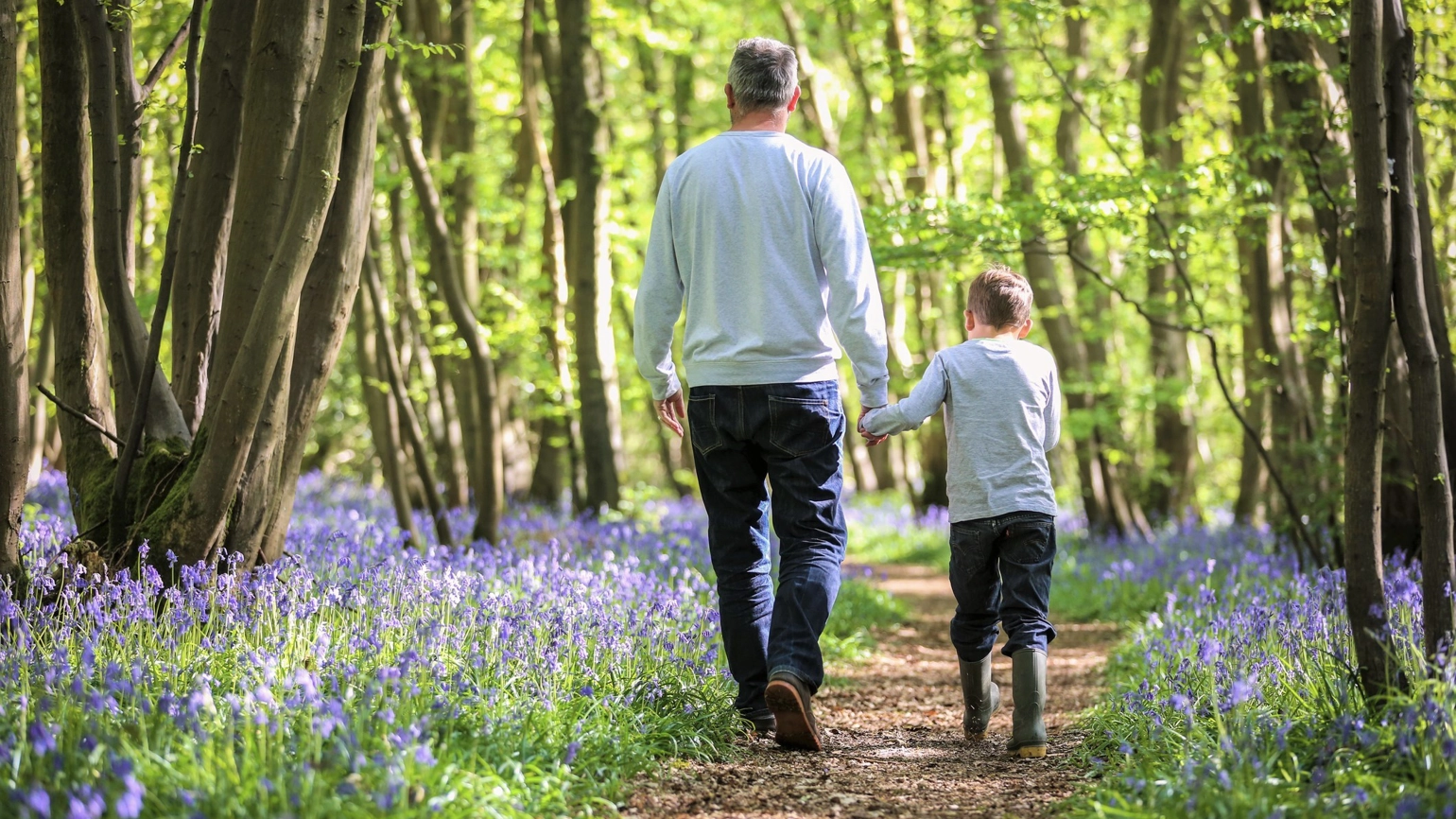
Potential outcomes:
- Engaged community through local voluntary sector partnerships
- Increased local access to nature
- Biodiversity enhanced and protected
Contact us
If you have any questions or would like to learn more about the project, please email: natureinvestments@landg.com